
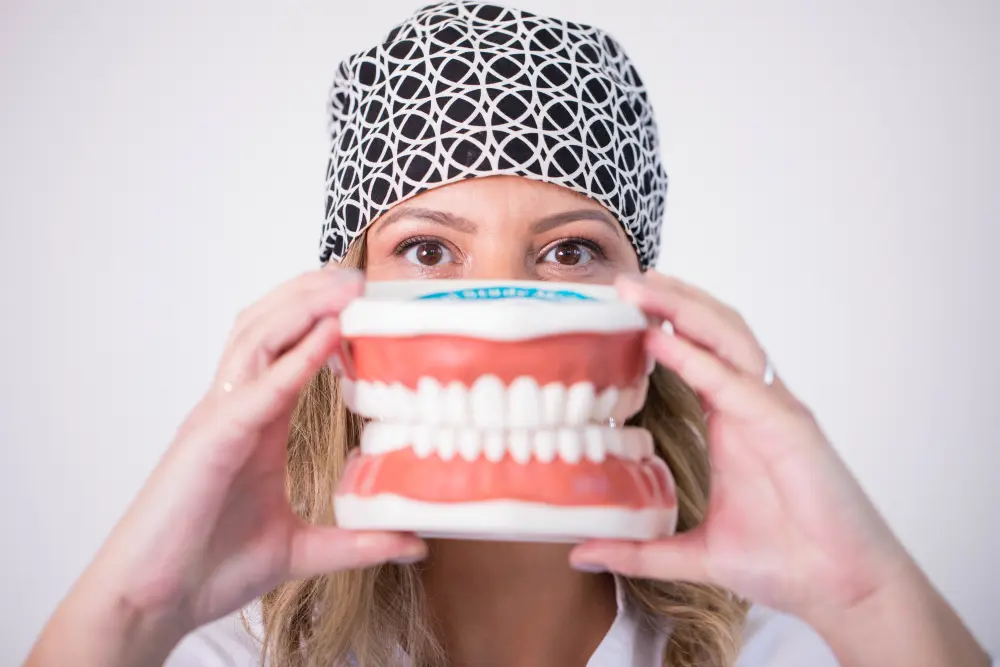
Hello friends, this is Dr. Stela Heisler. As someone who meets patients daily with various habits affecting dental health, I want to talk to you today about a topic that doesn’t always get the attention it deserves: chewing ice. This is a habit that seems innocent but can cause significant damage to teeth and gums. In this article, I’ll explain what happens when we chew ice, its effects on oral and dental health, and what can be done to keep our teeth strong and healthy.
Why Do People Chew Ice?
Chewing ice, or scientifically known as “pagophagia,” is a more common habit than you might think. Some people enjoy the hard and cold texture, others do it out of an unconscious habit, and some find it a way to relieve stress. Sometimes, chewing ice may be related to medical conditions like iron deficiency or anemia, which cause cravings for chewing non-edible substances. As a dentist, I meet patients who say they chew ice as part of their daily routine-whether it’s ice from a cold drink or small ice cubes they prepare in the freezer.
But what’s important to understand is that ice is a very hard material, and our teeth, despite their strength, don’t always withstand the load that comes with constant chewing of it. So, what effects does ice have on our teeth?
The Effects of Chewing Ice on Teeth
- Cracks and Fractures in Teeth Our teeth are covered in an enamel layer, which is the hardest material in the human body. However, enamel is not indestructible. Chewing ice applies significant pressure on the teeth, especially the front teeth or molars. This pressure can cause microscopic cracks in the enamel, which develop over time into larger fractures. In severe cases, a tooth may even break completely, requiring complex treatments like crowns or even extractions. At my clinic in Jerusalem, I’ve seen cases of patients who arrived with cracked teeth after years of chewing ice. Interestingly, sometimes they didn’t even connect the damage to this habit until I explained the link.
- Enamel Wear Chewing ice over time can wear down the enamel layer, especially if the habit is accompanied by consuming acidic drinks like carbonated beverages or citrus juices. When the enamel wears away, the tooth becomes more sensitive to temperature changes and bacteria, increasing the risk of decay and pain, effectively creating sensitive teeth.
- Damage to Gums and Oral Structure Chewing ice doesn’t just harm the teeth. Sometimes, sharp ice pieces can injure the gums, leading to gum inflammation or gum recession. Additionally, if you have fillings, crowns, or bridges, chewing ice can damage them too, causing fractures or weakening the adhesive that holds them in place.
- Jaw Pain and Jaw Joint Disorders Chewing ice requires exerting a lot of force from the jaws. Over time, this can lead to pain in the jaw muscles or disorders in the temporomandibular joint (TMJ). Many patients who come to me with complaints of jaw pain discover that habits like chewing ice contribute to the problem.
Is Chewing Ice Always Harmful?
It’s important to note that chewing ice occasionally, such as when finishing a cold drink, won’t necessarily cause immediate damage. The problem starts when the habit becomes regular or when additional factors like weakened teeth, old fillings, or nutritional deficiencies are added. However, as a dentist, I always recommend avoiding chewing ice as much as possible, because the risks outweigh the benefits.
What Can You Do Instead?
If you find yourself chewing ice frequently, here are some ways to quit or at least reduce the habit and maintain dental health:
- Replace Ice with Safe Alternatives: Instead of ice, try chewing sugar-free gum, which stimulates saliva production and helps clean the teeth. You can also try frozen fruit pieces (like grapes) that are softer on the teeth.
- Drink with a Straw: Using a straw reduces the contact of ice with the teeth and minimizes the temptation to chew it.
- Check for Nutritional Deficiencies: If you feel a strong urge to chew ice, it’s worth consulting your family doctor for a check of iron levels or other vitamins. Sometimes, treating a nutritional deficiency reduces the craving.
- Maintain Oral Hygiene: Brush your teeth twice a day, use dental floss, and check your teeth with a dentist at least twice a year. This way, you can detect damage early and prevent complications.
In Summary
Chewing ice may seem like an innocent habit, but as you’ve read, it can cause significant damage to teeth, gums, and even the jaw. I recommend being aware of our habits and taking simple steps to protect our smile. If you suspect your teeth have been damaged from chewing ice or have further questions, I invite you to contact me for a consultation at my dental clinic in Jerusalem. A healthy smile starts with small habits!